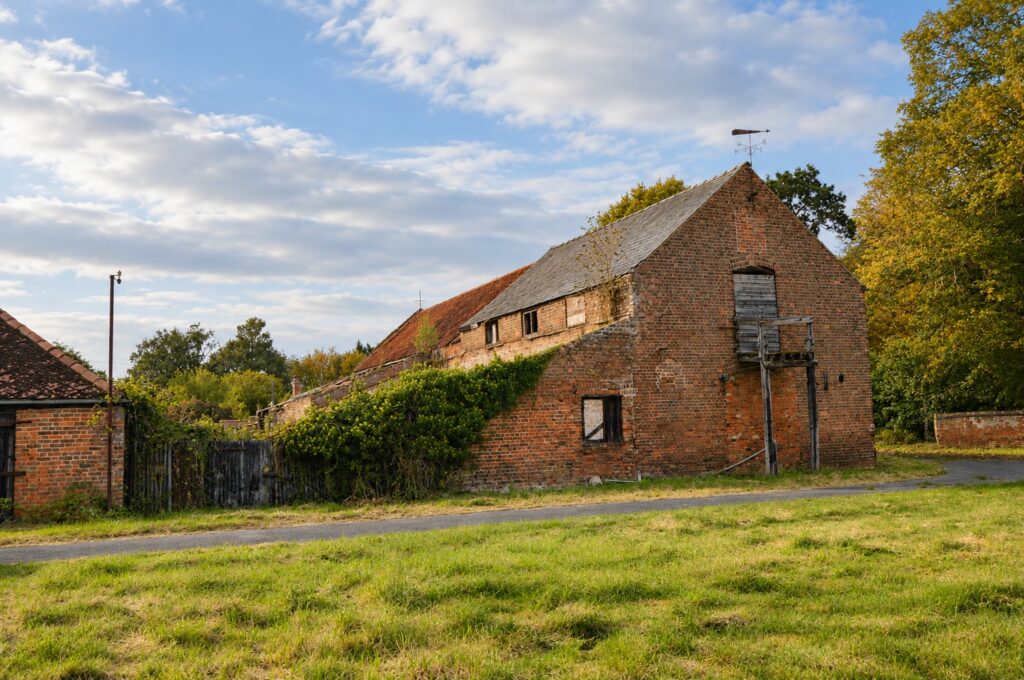
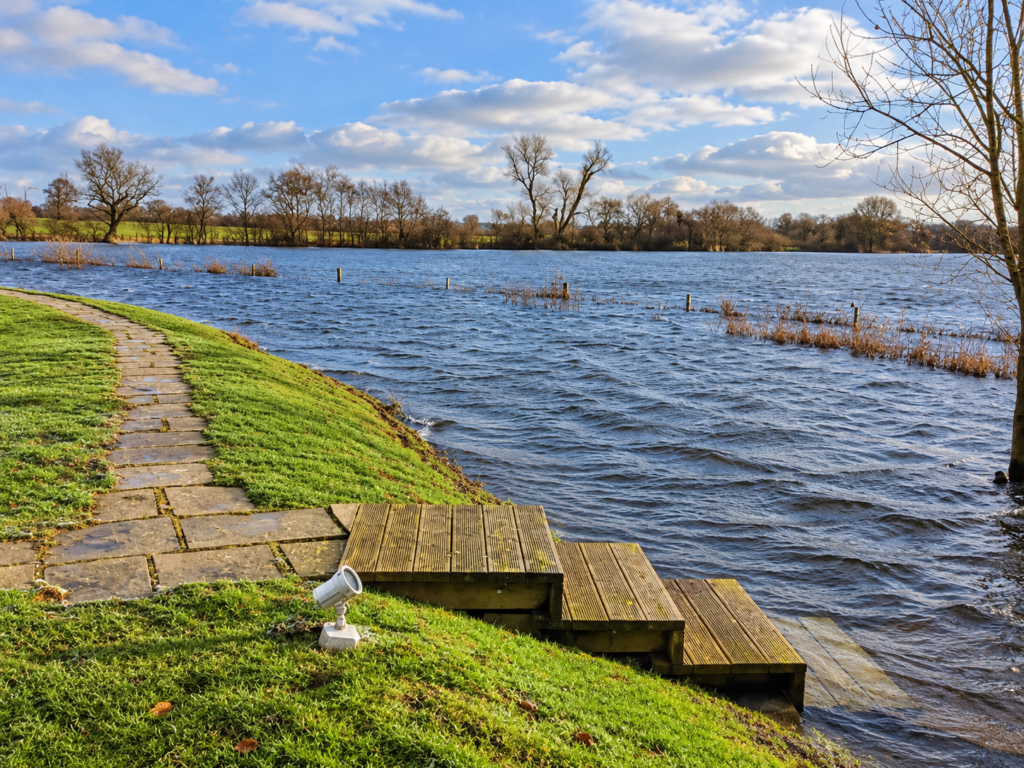
Plenty of reports can be written from the available documentation alone. Ben works the other way round: he goes to the site, looks at how water actually behaves and speaks to the people who hold the missing pieces.
Every assessment starts with the ground itself, not just a screen.
Direct dialogue with drainage boards, local authorities, landowners and planning officers where relevant.
Architects, developers and other specialists brought in when the project needs them.
ESP has spent decades working within the drainage systems of West Norfolk, Cambridgeshire and Lincolnshire — the watercourses, pumping stations, consenting bodies and professionals who run them.
Senior engineering judgement, personally applied.
Ben was Chief Engineer to the King’s Lynn Consortium of Internal Drainage Boards from 1986, overseeing around 100,000 hectares, 3,500 kilometres of watercourses and 43 pumping stations. He also led major capital schemes and managed external consulting engineers.
Before joining the Consortium, Ben was Assistant District Engineer and operations lead at the Great Ouse River Authority’s King’s Lynn office, responsible for capital works on the tidal river from Denver to its outfall into the Wash. Following the extreme tidal flood of 1978, he was involved in designing and installing sea defence reinstatements from King’s Lynn to Hunstanton.
He founded ESP in 2002 and continues to bring that depth of experience to clients as a consultant. Ben visits sites, asks the right questions and looks beyond the documents to understand what a project really needs.
From early feasibility to detailed design and consents, ESP helps projects move forward with clarity.
Site-specific assessments and practical mitigation to support planning decisions.
Surface water strategies, drainage design and considered solutions for new development.
Joined-up technical, planning and specialist support through an established network.
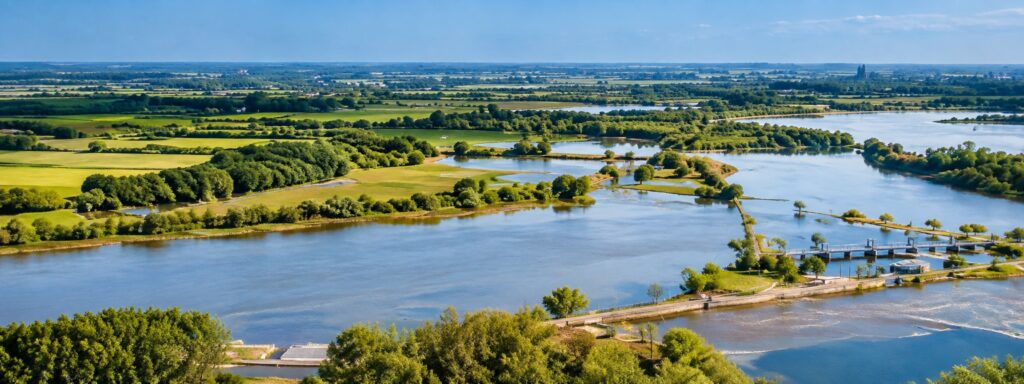
ESP is rooted in the waterways, drainage systems and coastal landscapes of West Norfolk, Cambridgeshire and Lincolnshire. Here, flood risk is shaped by watercourses, pumping stations, tidal conditions, sea defences and the way neighbouring land is managed.
Ben’s experience spans Fenland drainage, the Great Ouse tidal river and coastal defence works. Understanding how these systems connect — and knowing the drainage boards, authorities and local professionals involved — helps ESP develop practical advice for the site in front of us.
From early feasibility to detailed design and consents, ESP helps projects move forward with clarity.
Tell us what you are planning and where you need support.